
Tile Epoxy Coating Bathroom: Is It Worth It?
5/30/20265 min read
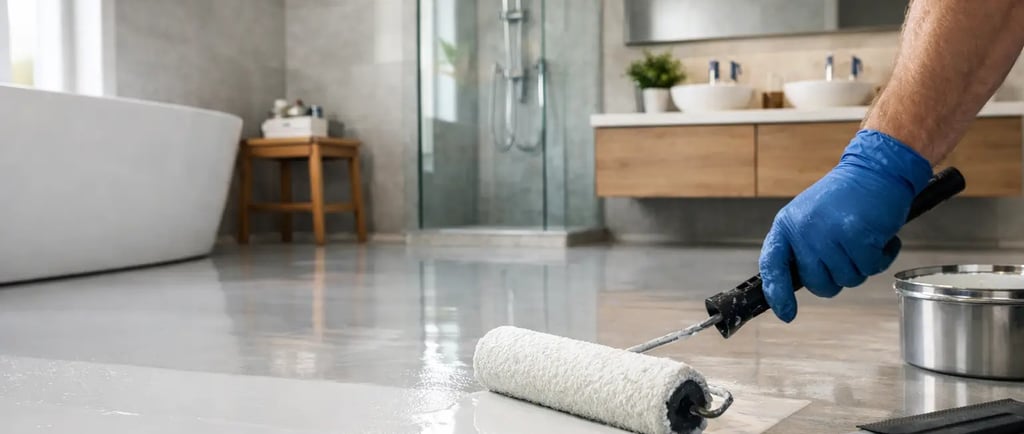
A bathroom can start looking tired long before it actually needs rebuilding. If your tiles are sound but dated, stained or hard to keep looking clean, a tile epoxy coating bathroom upgrade can be a practical way to modernise the space without the cost and disruption of ripping everything out.
For many Sydney homeowners, that matters. Full bathroom renovations take time, create mess and push budgets quickly. Epoxy tile coating sits in a more sensible middle ground. It gives existing wall tiles a fresh, uniform finish and can dramatically improve the look of the room, but it is only the right option when the surface underneath is in suitable condition and the preparation is done properly.
What is tile epoxy coating in a bathroom?
Tile epoxy coating in a bathroom is a specialised refinishing system applied over existing tiles to refresh their appearance and improve surface protection. Rather than replacing the tiles, the original tiled surface is cleaned, repaired where needed, prepared for adhesion and then coated with a high-performance finish designed for wet areas.
The appeal is straightforward. You keep the existing substrate, avoid demolition and still achieve a cleaner, newer look. For homeowners who want a brighter bathroom, more modern colour, or a better match with other upgrades, this can be a cost-effective option.
That said, epoxy coatings are not a magic cover-up for every bathroom. They perform best when the tiles are still structurally sound. If tiles are drummy, loose, badly cracked or the bathroom has underlying waterproofing issues, coating over the top will not solve the core problem.
When a tile epoxy coating bathroom project makes sense
The best candidates are bathrooms with dated but stable tiles. Think older colours, worn-looking gloss, stubborn staining, or grout lines that make the room feel older than it is. In these cases, resurfacing can quickly lift the space and make it feel cleaner and more current.
It also makes sense when homeowners want to avoid a full renovation. If your bathroom layout still works, your plumbing is staying where it is, and the goal is mainly visual improvement, coating can deliver a strong result for a fraction of the replacement cost.
Property preparation is another common reason. If you are getting a home ready for sale or lease, bathroom refinishing can improve presentation without the long lead times and high spend of major building work. A neat, bright bathroom tends to photograph better, show better and feel better maintained.
Where it makes less sense is in bathrooms with serious tile movement, water damage behind the walls, failing grout throughout or widespread repairs already needed. Coating improves the surface. It does not replace structural rectification.
How the finish depends on preparation
In this type of work, preparation is where the result is won or lost. A bathroom is a high-moisture environment, and coatings need a properly prepared surface to bond well and wear evenly.
That starts with a deep clean to remove soap residue, body oils, mineral build-up and any contaminants that can interfere with adhesion. After that, damaged areas need attention. Chips, cracks and failed sections cannot simply be painted over and expected to disappear. They need proper repair so the final finish looks smooth and stays sound.
Surface profiling is also essential. Glossy tiles are not naturally ideal for bonding, so the substrate needs to be prepared to accept the coating system. Once this stage is rushed or skipped, problems usually show up later as peeling, uneven sheen or premature wear.
This is why professional application matters. The visible topcoat gets the credit, but the preparation underneath is what gives a bathroom coating its durability.
What kind of finish can you expect?
A well-executed epoxy tile coating gives the bathroom a cleaner, more unified appearance. It can brighten darker spaces, reduce the visual clutter of dated tile colours and make the room feel more modern without changing the footprint.
Most homeowners notice the improvement straight away. Old cream, pink, peach or faded tones can be updated to a fresher neutral finish that works better with contemporary fittings and paint colours. The room often looks newer, cleaner and easier to maintain.
The finish should look smooth and consistent, but realistic expectations matter. This is a refinishing service, not a brand-new tile installation. If the underlying tile layout is dated, the grout line pattern remains. Coating changes the appearance of the surface, not the design of the original tiling.
That is not a drawback for everyone. In many bathrooms, the layout is perfectly acceptable and the issue is simply age, staining or colour. In those cases, resurfacing offers strong visual value.
How long does bathroom tile epoxy coating last?
Durability depends on the condition of the surface, the quality of preparation, the coating system used and how the bathroom is treated afterwards. In general, professionally applied epoxy coatings can provide a durable finish that holds up well in residential bathrooms when maintained properly.
Wall tiles usually perform better than high-traffic floor surfaces because they are exposed to less abrasion. Around showers, splash zones and vanity areas, performance still relies on correct curing and sensible care. Harsh scrubbing, abrasive cleaners and impact damage can shorten the life of the finish.
This is one of those areas where cheap jobs often cost more later. If the coating is poorly applied or the bathroom is put back into heavy use too soon, failures can show up early. A properly prepared and professionally coated surface is built to last longer and look better over time.
Is it cheaper than replacing tiles?
In most cases, yes. Tile coating is generally far more affordable than removing old tiles and starting again. Once you factor in demolition, waste removal, new materials, waterproofing implications, labour and the extra trades that often follow a bathroom strip-out, replacement costs rise quickly.
Coating avoids much of that disruption. It is a surface renewal solution, not a rebuild. That makes it especially attractive for homeowners who want visible improvement while keeping spending under control.
Still, cheaper does not mean right in every case. If the bathroom is already due for a full renovation because of layout problems, moisture damage or outdated plumbing, coating may only delay the larger project. The right decision depends on whether the bathroom needs cosmetic renewal or broader rectification.
Common concerns homeowners have
One of the biggest concerns is peeling. That concern is fair, because poor-quality coating work can fail. Usually, the cause is not the idea of epoxy itself but weak preparation, unsuitable products or trying to coat over moisture-related problems.
Another concern is whether the bathroom will look painted rather than refinished. A professional result should not look rough or patchy. It should look clean, even and deliberate. The difference comes down to surface repair, application skill and using a coating system suited to bathrooms.
Homeowners also ask about maintenance. The good news is that coated surfaces are generally straightforward to care for. The main rule is to avoid abrasive pads and aggressive cleaners. Gentle cleaning helps preserve gloss and keeps the finish looking fresh for longer.
There is also the question of downtime. Bathrooms need proper curing time before normal use. Rushing that process can compromise the finish, so any reputable contractor should be clear about access and aftercare.
Choosing the right contractor for tile epoxy coating bathroom work
Not every painter or handyman is equipped for specialist bathroom resurfacing. This type of work calls for experience with wet-area preparation, repair work, adhesion systems and finish control. The final result depends on more than applying a coating. It depends on understanding the condition of the surface and using the right process from start to finish.
When you speak with a contractor, look for clear advice rather than blanket promises. A dependable specialist should explain whether your bathroom is a good candidate, what repairs are needed first, what finish is realistic and how to care for it afterwards.
That practical honesty matters. A good contractor is not trying to force every bathroom into the same solution. They are trying to give you a finish that looks good, lasts well and makes financial sense.
For Sydney homeowners wanting a cleaner, more modern bathroom without the upheaval of a full renovation, tile refinishing can be a smart upgrade when the existing surfaces are still sound. Done properly, it is a straightforward way to improve appearance, extend surface life and get more value from the bathroom you already have. If the goal is a fresh result without unnecessary demolition, this is one option well worth considering.