
Choosing Weatherproof Exterior House Paint
5/30/20265 min read
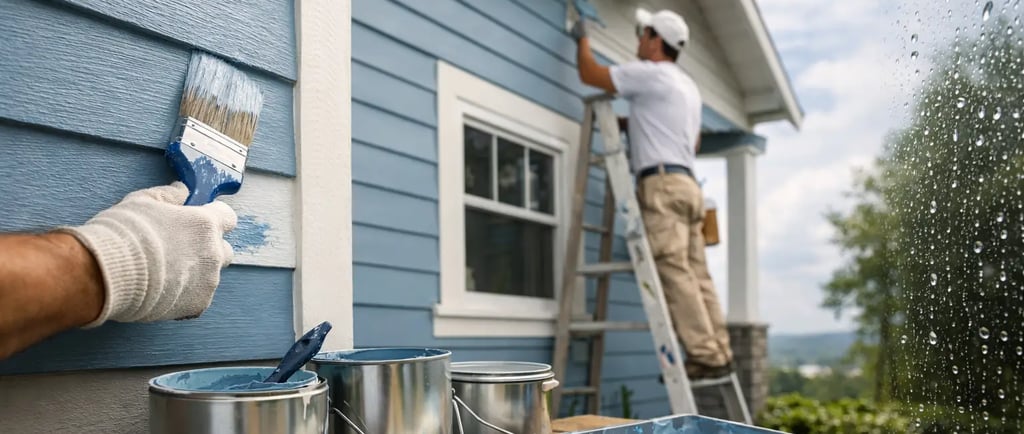
A fresh exterior can look excellent on day one and still disappoint a year later if the coating was never suited to the conditions. That is why weatherproof exterior house paint matters so much for Sydney homes. Between hard UV, coastal salt, heavy rain and general wear, the right paint is not just about appearance - it is about lasting protection.
For most homeowners, the challenge is not finding paint labelled for exteriors. It is knowing which product and preparation method will actually hold up on their specific home. Brick, render, weatherboard, fibre cement and previously painted surfaces all behave differently. Add in location, sun exposure and the age of the property, and the best choice becomes less obvious than the label makes it sound.
What weatherproof exterior house paint really needs to do
A proper exterior coating has two jobs. First, it needs to keep the home looking clean, even and well cared for. Second, it needs to protect the substrate underneath from moisture, UV damage and premature breakdown.
That protection is where cheaper or poorly matched products often fall short. A paint may look fine when first applied, but if it becomes brittle, fades quickly, traps moisture or loses adhesion, the surface underneath starts to suffer. On timber, that can mean swelling, cracking or rot. On render and masonry, it can mean peeling, blistering and patchy failure that spreads faster than most people expect.
Weatherproofing does not mean making a house completely waterproof in the literal sense. Exterior walls still need to breathe to some extent, especially on older homes. The better systems resist rain and moisture ingress while allowing trapped vapour to escape. Getting that balance right is one of the main reasons product selection should be tied to the surface, not just the colour chart.
Sydney conditions change what works
Not every Australian city puts the same pressure on exterior paint. In Sydney, homes often deal with strong sun for much of the year, sudden weather shifts, coastal air in many suburbs and damp conditions in shaded areas. Western-facing walls can cop intense afternoon heat, while southern sides may stay cooler and hold moisture longer.
This is why one paint system may perform well on one side of a home and struggle on another if the prep has been rushed or the substrate issues were ignored. A weatherboard house near the coast has different needs from a rendered home further inland. Likewise, a modern home with newer fibre cement cladding will not be treated the same way as an older property with multiple layers of ageing paint.
For homeowners, the practical takeaway is simple. Do not judge exterior paint on product name alone. The climate matters, but so does where the home sits, how exposed it is, and what the existing surface condition looks like before any work starts.
How to choose weatherproof exterior house paint for your surface
The surface tells you a lot about what the paint needs to handle. Masonry and render usually need coatings that can cope with small movement, resist moisture and maintain a consistent finish over broad areas. Timber surfaces need flexibility, because expansion and contraction are part of normal outdoor exposure. Fibre cement and previously painted cladding often depend heavily on proper cleaning, repair and priming before a topcoat will perform as intended.
Older homes can also have hidden issues that affect coating life. Chalky residues, hairline cracks, flaking paint, mildew and water staining all point to a surface that needs more than a quick wash and repaint. If those problems stay underneath the new coat, the finish may look tidy at first but fail much earlier than it should.
This is also where professional prep makes a real difference. Scraping loose material, treating mould, sanding edges, repairing damaged sections, sealing bare spots and applying the right primer are what give the topcoat a stable base. The final paint gets the credit, but preparation usually decides whether the result lasts.
Paint type matters, but only with the right prep
Acrylic exterior paints are commonly used because they offer good flexibility, colour retention and resistance to Australian conditions. They are often a strong option for masonry, render and many previously painted surfaces. In some cases, elastomeric or specialised masonry coatings may suit walls with minor cracking or surfaces that need extra weather resistance.
That said, even a quality product will not save a poorly prepared wall. If moisture is already getting in from failed seals, cracked joints or damaged substrate, the best paint in the world will still be under pressure. Coating selection and surface repair need to work together.
What to look for beyond the label
A tin might say exterior, all-weather or premium, but those terms do not tell the full story. Homeowners should care more about performance features than marketing language. UV resistance matters because Sydney sun can flatten colour and break down lower-grade products. Adhesion matters because peeling rarely starts everywhere at once - it begins in weak areas and spreads. Flexibility matters because outdoor surfaces move more than people realise.
Mould and dirt resistance can also be important, especially on shaded elevations and homes surrounded by trees. A paint that stays cleaner for longer can make the whole property look better between washes. Colour retention matters too, particularly for darker shades, which absorb more heat and can show fading more obviously over time.
There is always a trade-off with budgets. Lower-cost paint can reduce upfront spend, but if it shortens the repaint cycle, the long-term cost usually climbs. On the other hand, the most expensive product is not always necessary if the surface is stable, well prepared and not facing extreme exposure. The best value is normally the coating system that suits the house properly and delivers a finish that lasts.
Why finish and colour choice affect durability
Most people think about colour in terms of street appeal, but it can also affect how a painted exterior performs. Very dark colours tend to absorb more heat, which can place extra stress on certain substrates. On some surfaces, especially where direct sun is intense, that can contribute to movement, fading or earlier wear.
Lighter colours often perform more gently in high-exposure areas, although that does not mean dark colours should be avoided altogether. It just means they need to be chosen with the substrate and position of the home in mind. This is another area where practical advice matters more than trends.
Finish plays a role as well. Lower-sheen finishes can soften imperfections and suit broad wall areas, while semi-gloss or gloss may be better for trims, doors and details that need easier cleaning. The goal is not to make every part of the exterior match. It is to use the right finish where it delivers the best balance of appearance and durability.
Signs your current exterior paint is no longer doing the job
Some paint failures are obvious, like peeling, blistering and cracking. Others are easier to overlook. Fading, chalkiness, patchy sheen loss, mildew that returns quickly after cleaning and minor bubbling near joints can all suggest the coating is no longer protecting the home as it should.
If these signs are limited to one section, a targeted repair may be enough. If they are appearing across multiple elevations, a full repaint may be the more sensible option. Spot fixes can work, but only when the surrounding coating still has enough life left in it.
This is where a proper assessment saves money. Repainting too early wastes budget, but repainting too late can mean more extensive substrate repairs, extra prep and a bigger job overall.
A durable result comes from the full system
Homeowners often ask which single product is best, but exterior durability usually comes down to the full system. Cleaning, repairs, priming, caulking, coating choice and application conditions all affect the outcome. Paint applied on a poor surface or in unsuitable weather is already at a disadvantage.
That is why experienced exterior painters focus on more than coverage rates and colour selection. They look at how the house is ageing, where moisture sits, what the previous coating is doing and how each material on the property should be treated. At Azra Painters, that practical approach is what helps turn a repaint from a cosmetic update into a longer-lasting upgrade.
If you are planning exterior work, think beyond what will look good this month. The better question is what will still protect and present well after Sydney throws summer heat, rain and everyday exposure at it. That is usually where the right decision becomes clear.